Kanaka Boats

Riding the Tide: Kanaka Boats and Napa’s Forgotten Ferrymen
“Kanaka Boats” were salvaged and restored by Native Hawaiians for use as ferries and cargo shuttles, paddling passengers, provisions, and information from San Francisco to Vallejo—and upriver with the tide to Napa and the Sacramento Valley—from the early 1800s through 1890.
George C Yount, Napa Valley’s first settler, employed Hawaiian crews to hunt sea otters along the Petaluma River, using elephant seal-skinned Kanaka-style boats. Otter pelts—selling for as much as $30 each—helped finance what would become California’s first vineyard. At the same time, John Sutter employed more than 40 Kanakas at his Sierra foothills fort, relying on their unmatched skills as watermen and laborers.
In Two Years Before the Mast, Richard Henry Dana Jr. praised Hawaiian sailors for their joy, extraordinary swimming ability, unfamiliarity with capitalism, and unwavering loyalty to one another—qualities that left a lasting imprint on the early American West.
One historian claimed, “The Kanaka were as important to the settlement of the Bay Area as the rifle and disease,” citing their natural wave-riding and paddle skills, honed from generations of navigating the islands.
Their dexterity proved vital. Treacherous surf breaks separated coastal ships from riflemen along the rocky shore. Without Hawaiian watermen, boats capsized, pelts were lost, and lives went down with them. But the Kanaka paddled months of bounty safely to shore—with canoe paddles, not oars.
Last winter, we built one.
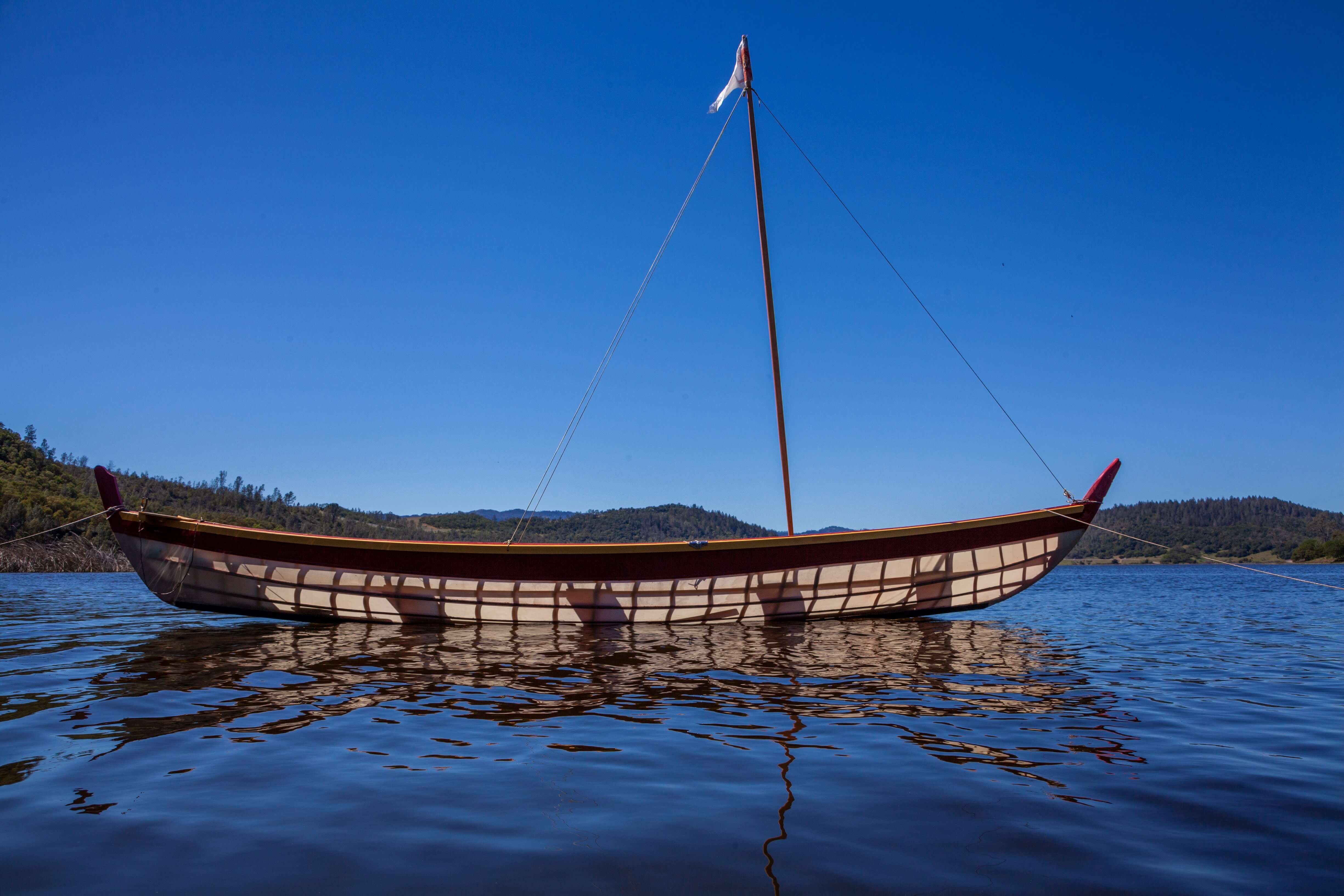
A hybrid, skin-on-frame version of the St. Ayles whale boat—a hull shape that’s existed for thousands of years. Built by Yountville craftsman and myself as understudy, it was designed for gunkholing the Carneros estuary. He named it Liona Kai.
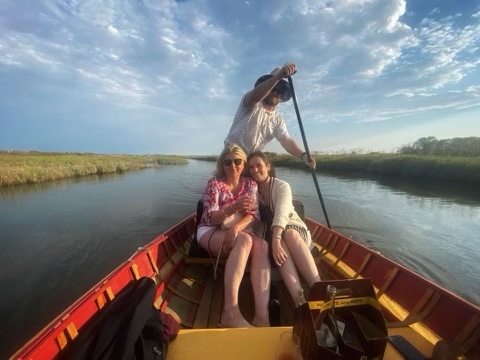
We’ve since carried hundreds through the Fagan Marsh, often with white pelicans gliding overhead, descending from Lake Hennessey or beyond. They fly 90 miles in a day. We paddle four. But the spirit is the same.
Help us build more.
Arrival at Petaluma
Extracted References from George C Yount - The Kindly Host of Rancho Caymus
"In 1828, Yount started on the trip with Gilman and two Kanakas. Each hunter had two self-priming flintlocks, a powder horn, and a bag of bullets. The Kanakas were to do the paddling and carry supplies. They hunted sea otter along the California coast and among the Channel Islands.
Sometimes Yount hunted with or for those who had no license. Wolfskill, Burton, Cooper, and Dana made repeated trips from California, for resident foreigners were prohibited from hunting sea otter and even those married to Californians were restricted".
"From Monterey Yount, sending boats and equipment on a Russian ship, went overland to San Pablo Bay. When he and his Kanakas arrived in waters which had probably never before been visited by white men, they found themselves in a wilderness of tule swamps and islands. Boats made of bundles of tule and propelled by long double-bladed paddles were used. After following many water channels they came to a place marked by willow, buckeye, and sycamore with wild grape clinging to their branches — the site of Rancho Caymus, connected by waterways to the Petaluma and Napa river systems".
“Having crossed this spacious and beautiful sheet of water, he landed and pitched his camp at Petaluma—Here he found a numerous and rich bed of Sea Otter—It proved to him an abundant harvest—The animals lay upon the quiet surface of the water, and afforded him lucrative employment for many days—Their skins found a ready market at thirty dollars each, & he now was able to make his own outfit, so that he retained all the avails of his labor—”
Petaluma Valley Description
“It was the wet season of the year, but by no means a severe winter, & during the intervals of open weather, nothing could be more delightful than a residence in this enchanting valley—”
“It is screened from the prevailing winds, and lies open to the sun, which seems to smile down upon that silent valley, with a benignity, that leads one almost to imagine it an exempt, when the curse fell on the world for sin.”
Abundance & Landscape Context
“Since the pestilence had swept away the Indians, no one disturbed—It was literally a land of plenty—and such a climate as no other land upon the face of the earth can boast of—”
“The few and scattered Spanish Rancheros owned large herds of cattle, but all combined were not a fiftieth part of what the land was competent to feed—”
Regional Mission Context (Petaluma Vicinity)
“He had explored the surrounding country, and learned that there were two missions in that immediate neighborhood, one at Sonoma and one at San Rafael, and that both were under the jurisdiction of one and the same Father [Jose L. Quijas]—They were but a day’s journey apart, and beautifully situated in rich and luxuriant valleys surrounded by lofty mountains—”
Extracted References from George C. Yount – Chronicles of the West
Focused excerpts referencing Sea Otters, Elephant-Skin Boats, and Kanaka watermen
SEA OTTERS
OTTER HUNTING — The business of slaying the animals commenced and to Younts astonishment, his Rifle, ever before true to its mark, missed his game fifteen successive shots... They are most commonly lying among the kali or kelp... The Otter feeds much on muscles and other bivalvular shell fish... At a certain season of the year they take in ballast sufficient to carry them to the bottom of the ocean.
THE OTTER IN BALLAST — So heavy were they that they would sink to the bottom immediately on being shot & he was obliged to wait till the ebbing of the tide to get the bodies.
ELEPHANT-SKIN BOATS
BOATS MADE FROM THE SKINS OF THE SEA ELEPHANT — Upon the Island of Clemente he built a boat of these Elephant skins... This skin boat was a novelty, and a great curiosity to the hunters of California.
THE REGATTA — Yount substituting the skin of the Sea Elephant for that of the Buffalo, found his Boats very convenient, not only for gliding sweetly over the water but also because his Kanakas could carry them entire across Islands and points of land.
KANAKAS
Yount, with one Gilbreth a mulatto and two Kanaka servants made his exit on this novel expedition.
The Kanakas were delighted with them, and regarded Yount with affection and veneration.
Yount explored the coast, often ten or fifteen miles distant from the Schooner, with one Kanaka to paddle and propel his boat.
www.NapaValleyPaddle.com
Drew@NapaValleyPaddle.com | 707.200.5511